
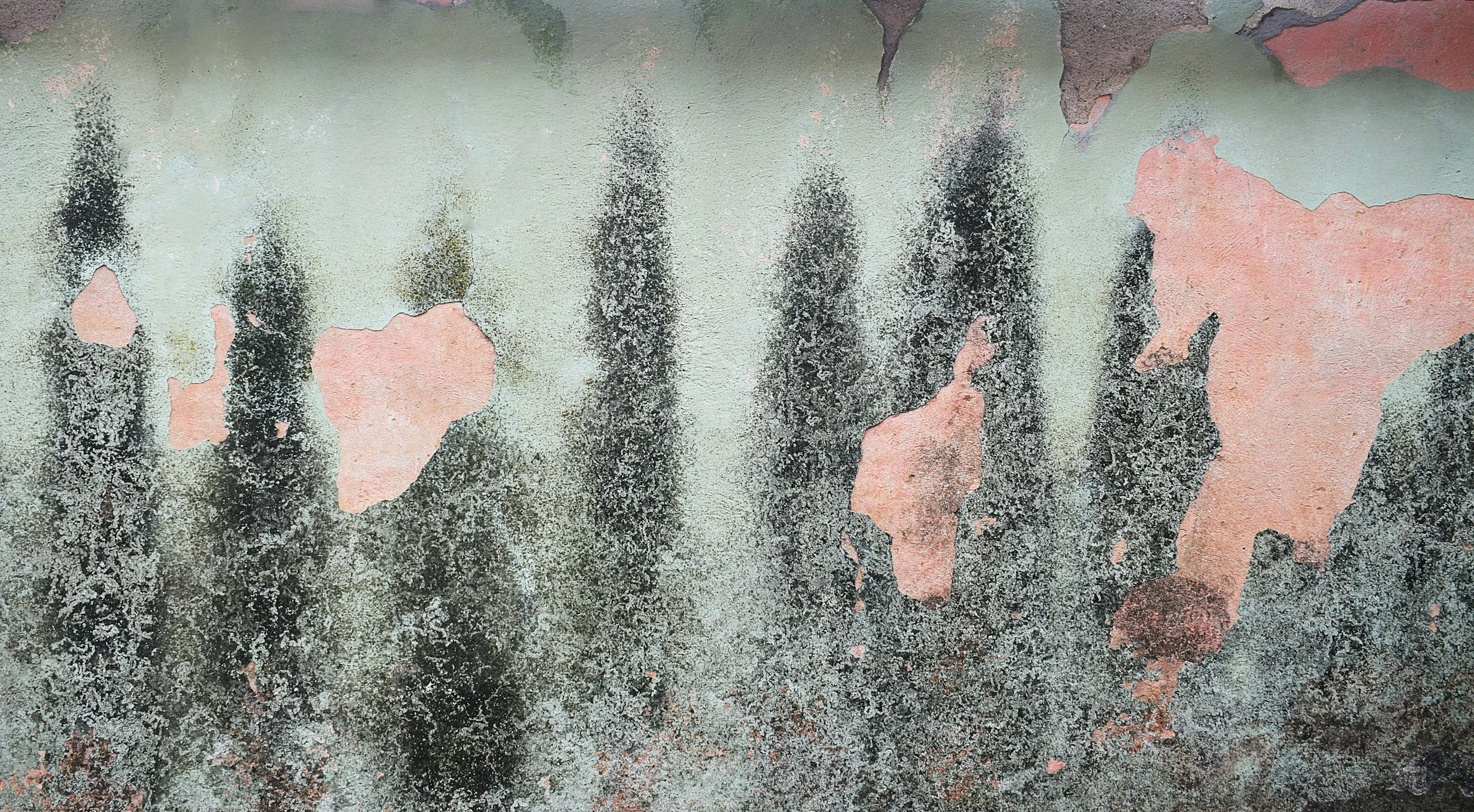
What to Do if You Find Mold in Your Home
Treatment Options
Finding mold in your home can feel overwhelming. Not ony do you discover a silent killer lurking in the walls of the place you felt most safe, but you also become a dollar sign to some “experts” who financially take advantage of your lack of knowledge surrounding this new fear.
The instinct is to fix the situation as quickly as possible, but how you approach it really matters.
Not all “treatments” are equal, and some can give a false sense of resolution if the root issue isn’t addressed.
In our case, treatment for a large mold problem followed the following steps:
Step 1: Find the Source
This is the NON NEGOTIABLE step. Before anything else, you have to address why the mold is there.
This includes:
Fixing leaks (roof, plumbing, foundation)
Addressing moisture or humidity issues
Identifying past water damage
If the source isn’t corrected, mold will continue to return—no matter what treatment is used.
If you cannot find an obvious source yourself but still suspect mold or moisture, contact a remediation or mold testing company to come out and do an inspection.
Step 2: Professional Mold Remediation
For mild mold, such as a small recent leak, sometimes you can clean it on your own. For moderate to severe mold, proper remediation is usually necessary.
This typically involves:
Containing affected areas (to prevent spread)
Removing all infected furniture/belongings, throwing away anything fabric or porous that cannot be washed in a washing machine.
FULLY removing contaminated materials (drywall, insulation, flooring)
HEPA vacuuming and detailed cleaning using antimicrobial cleaner and specific mold killer
Using air filtration systems/air scrubbers during the process, and cleaning air ducts/HVAC when done.
In many cases, removing affected materials (not just treating them) is key to fully resolving the issue.
Our situation was absolutely extreme. The mold caused by an unknown leak got into our HVAC which spread it throughout the entire home. Poor ventilation issues caused high humidity and ultimately filled every wall with mold. Not every case is like ours, so make sure you work with a professional to determine severity!
Step 3: Post-Remediation Verification
After remediation, testing is often used to confirm that:
Spore levels are back to normal ranges
The affected areas have been properly cleaned
This step can provide peace of mind before rebuilding or moving back in. Once you have fixed the source of the moisture, had an independent company test your home to verify the work of the remediation company, you should be set to return home.
What to Keep in Mind:
Fogging is a supplemental step, not the fix-all
Fogging is often marketed as a quick solution. It involves dispersing a mist (antimicrobial or disinfectant) into the air to reach surfaces.
What fogging can do:
Reduce airborne particles temporarily
Treat exposed surface areas
What it does NOT do:
Remove mold embedded in materials
Fix moisture issues
Replace proper remediation
Remove dead spores
When to be cautious:
If a company recommends fogging as the only solution, especially for widespread or hidden mold, that’s a red flag.
Fogging can be a supplemental step, but it should not replace:
removing contaminated materials
addressing the source
thorough cleaning
Fogging kills active growth, but if the source isn’t identified, it will only mask the problem temporarily. Further, mold spores that produce mycotoxins are just as harmful to health regardless if they are alive or dead, so even if you kill the mold, it won’t change the health impact if you don’t remove it.
Avoid conflicts of interest
One of the most important things we learned:
Use separate companies for testing and remediation.
Why?
A company that both tests and treats may have a financial incentive to find (or overstate) a problem
Independent testing provides a more objective baseline
A common approach:
Hire an independent inspector to assess and test
Hire a separate remediation company to perform the work
Use a third party (or the original inspector) for post-remediation testing
This helps ensure you’re getting accurate information at each stage.
If You’re Inspecting Yourself, Use PPE
If you’re opening walls, checking vents, or exploring areas where mold might be present, PLEASE protect yourself first.
At minimum, consider:
An N95 or higher (ideally P100) respirator
Gloves
Eye protection
Clothing you can wash immediately afterward
Disturbing mold can release a large number of spores into the air. Even a quick look inside a wall or duct can expose you more than you expect.
Breathing in high amounts of spores can lead to mold colonizing your lungs or sinuses. Yep, you read that right. Mold LOVES a moist, dark, warm environment, which is exactly what our bodies offer.
If the area is large or heavily contaminated, it’s usually safer to leave inspection and removal to professionals.
Remember:
There is no true “quick fix” for significant mold issues
Surface treatments alone are rarely enough
The environment (moisture + materials) is just as important as the mold itself
Taking the time to do it thoroughly upfront can prevent much larger issues later
Why We’re Sharing This
This is such an expensive and complicated process. At first, we didn’t realize how many different approaches (and pitfalls) there were when it came to mold treatment. It became increasingly apparent that there was no one to guide us who didn’t also have a financial incentive to “help,” and learning what to trust was scary (we were almost roped into being scammed out of thousands on a couple occasions!). Our hope is to take the knowledge we’ve gained from our terrible experience and help provide others with a sense of direction, free of charge!
If you’re navigating this, understanding the difference between surface-level fixes and true remediation can make a big difference in how you move forward. If you would like to learn more about our story, read about our journey with mold here.
A Quick Note
Remember! We’re not mold professionals—just sharing what we’ve learned through experience.
If you suspect mold:
consult qualified professionals
get more than one opinion if needed
and don’t be afraid to ask detailed questions about the process
What Sets Us Apart
People-First Approach
Everything we do is built around understanding your needs and helping you succeed—because when you thrive, so do we.
Long-Term Relationships
We’re not just here for the now. We love creating lasting relationships with our clients and growing with them over time.
Proven Process, Flexible Execution
We bring structure where it counts and adaptability where it matters. Our methods are clear, but always responsive.