
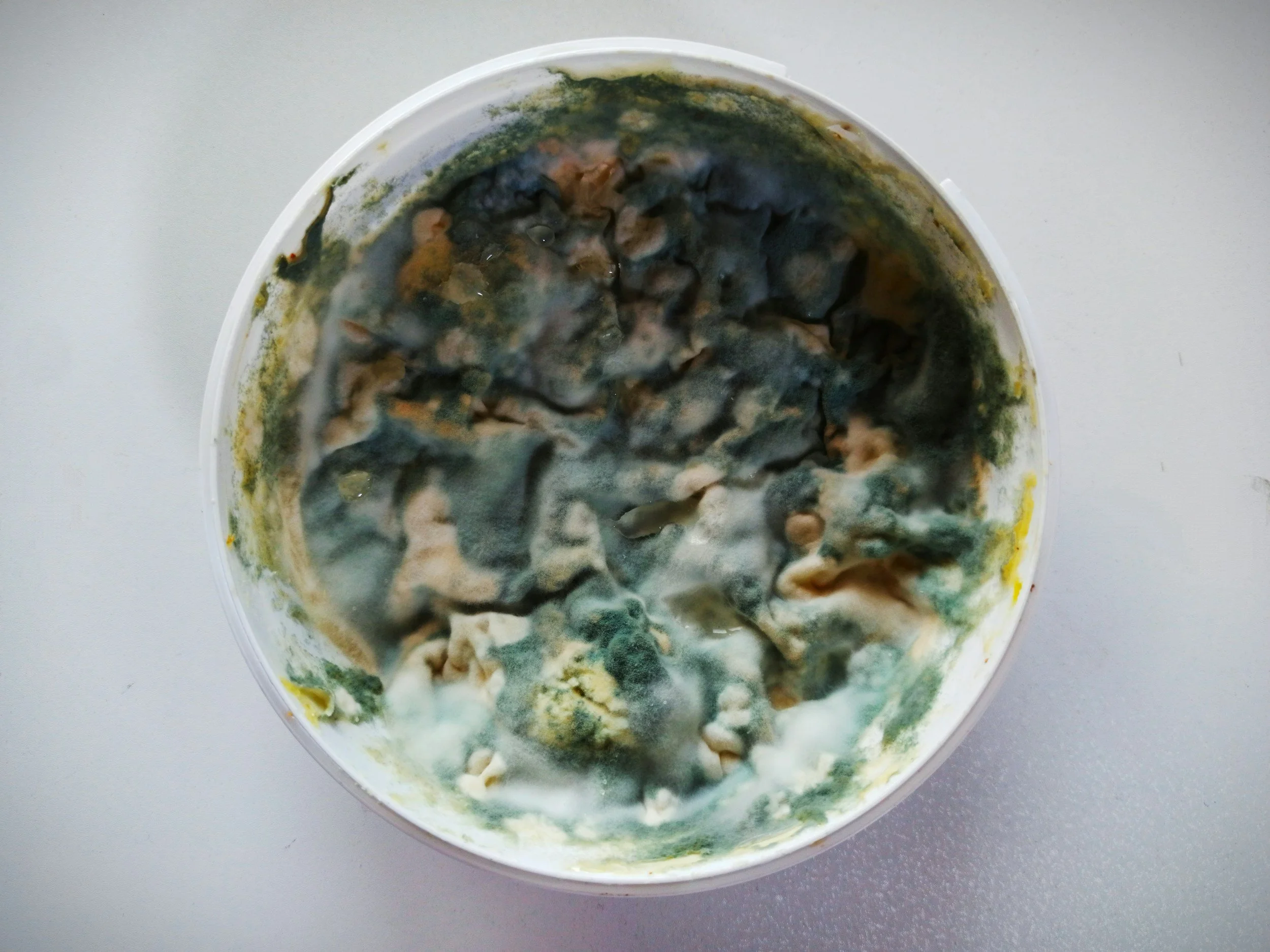
MOLD TESTING 101
Think you have mold?
From our experience, testing options are about as clear as mud. The last thing you want is to discover you have a house full of mold while being scammed out of thousands of dollars in the process.
We’ve been through it, and have learned the hard way what is (and isn’t) the best way to test. Let’s break down the most common ways to test your home:
Air Testing
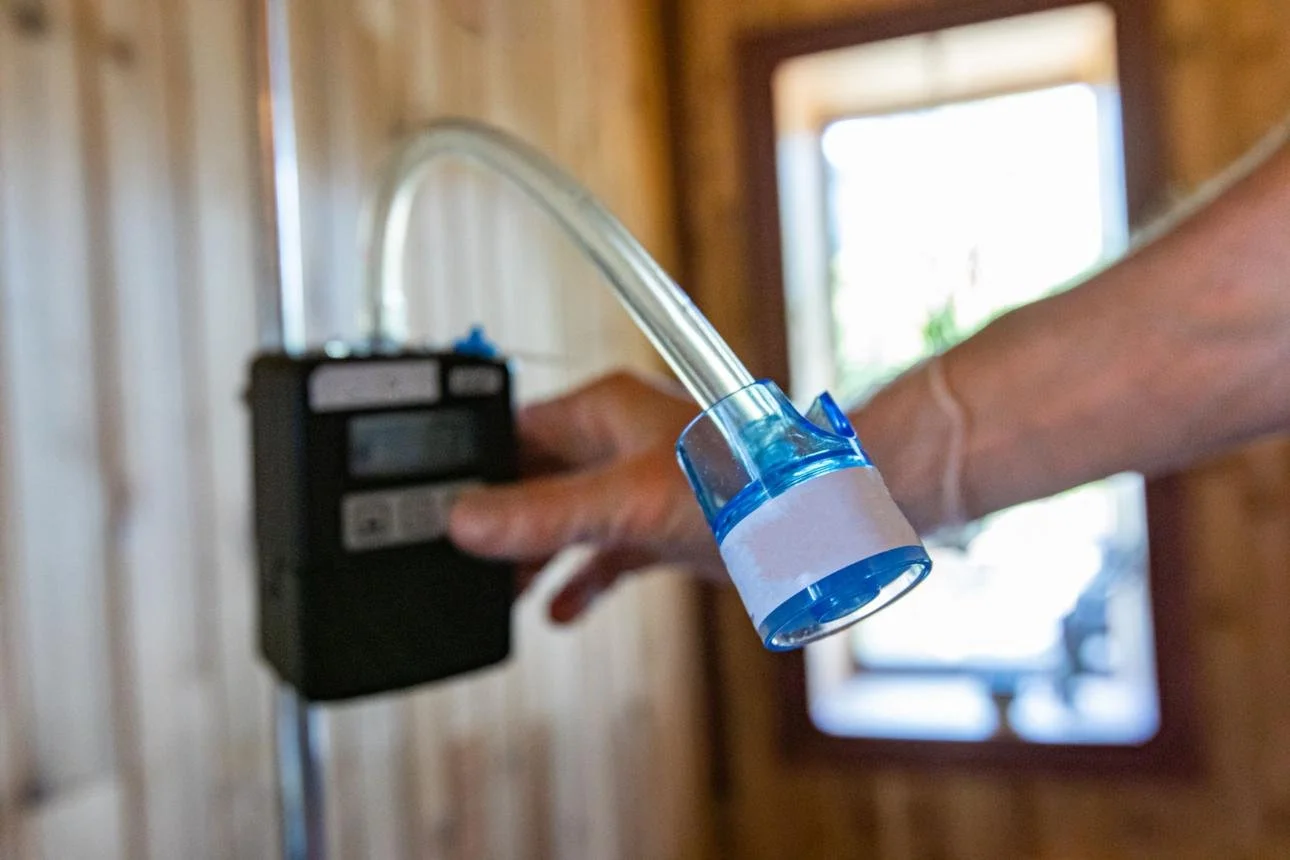
What it does:
Measures mold spores floating in the air at that exact moment.
PROS
Detects hidden/suspected mold (i.e., behind walls)
Useful for comparing indoor vs outdoor air
Can support a case for contamination (especially in real estate or insurance)
Gives a measurable spore count
CONS
Snapshot in time (can miss hidden mold)
Results can vary wildly depending on time of day, airflow, weather
Doesn’t tell you where the mold is coming from
Verdict: Helpful, but not reliable on its own
Surface Testing
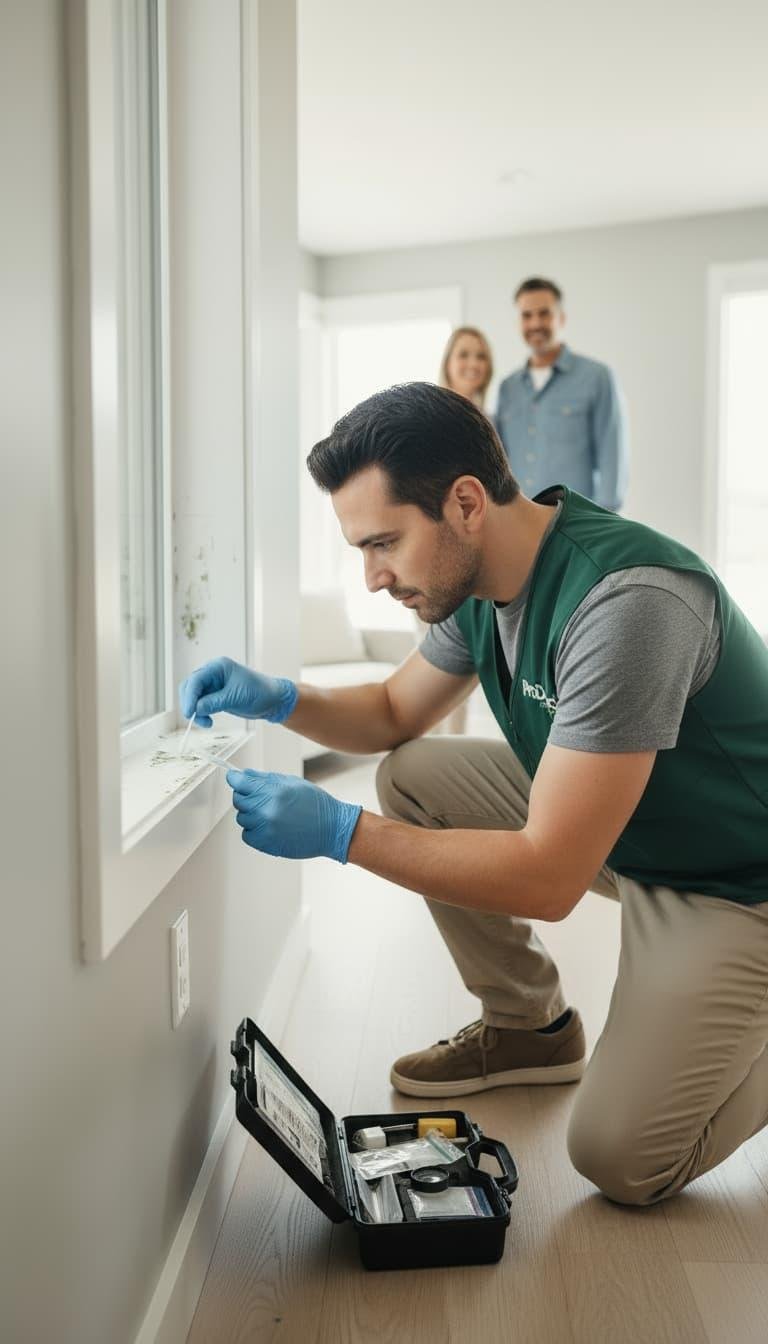
What it does:
Tests visible spots to confirm if it’s mold and what type
PROS
Identifies visible mold on surfaces
Confirms suspicious growth
Cheap and direct
Can be DIY
CONS
Only tests what you can see
Doesn’t tell you how bad the overall problem is
Verdict: Good for confirmation—not for full diagnosis.
ERMI / HERTSMI-2 Dust Testing
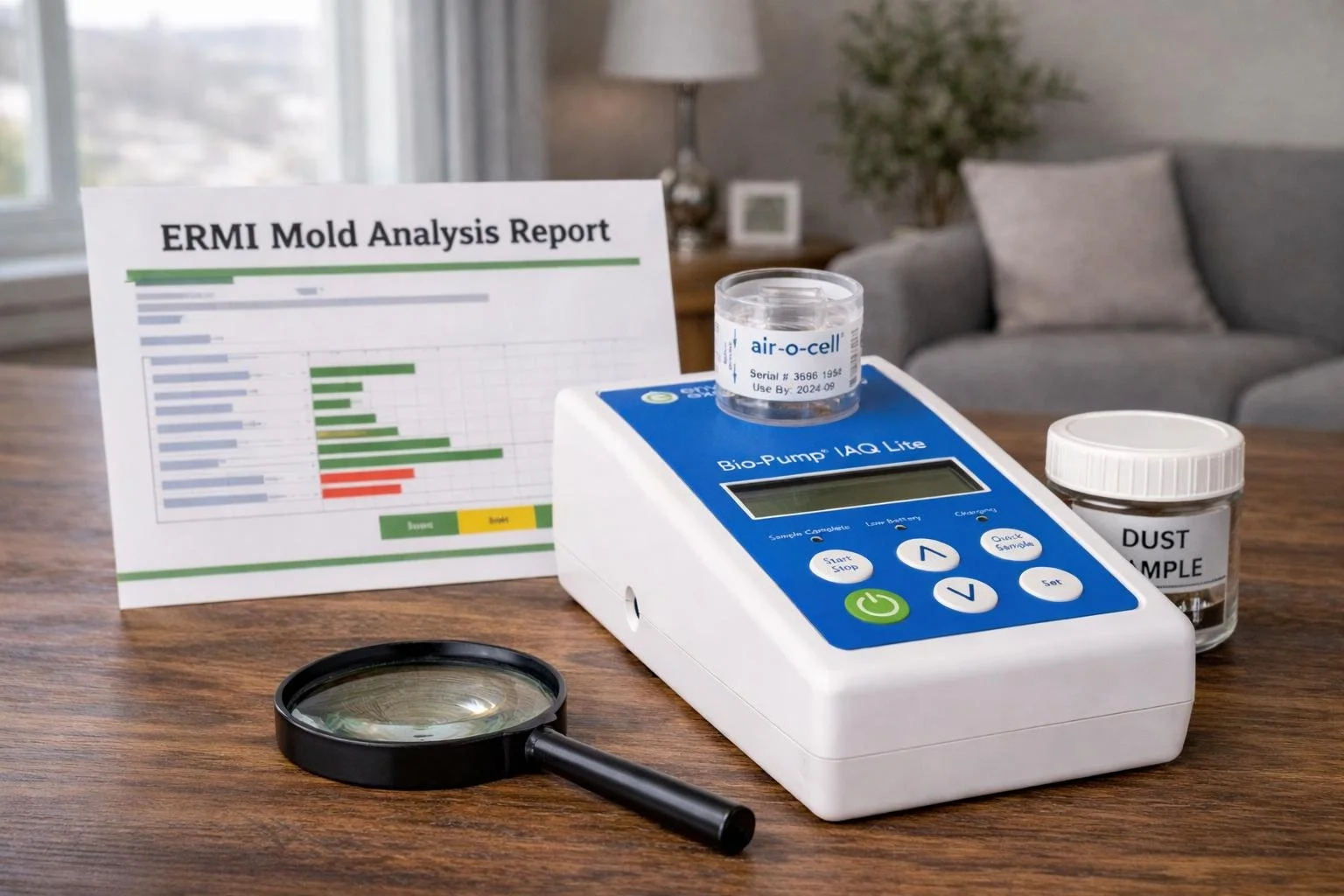
What it does:
Analyzes dust in your home for mold DNA using PCR (not just spores floating right now).
PROS
Captures history of mold exposure (not just a moment)
Detects hidden mold sources
More sensitive than air tests
Especially useful for health-related concerns
CONS
Pricier
Can be over-interpreted without guidance
Not always accepted in real estate/legal situations
Verdict: Best for people dealing with chronic symptoms or suspected hidden mold
Professional Inspection
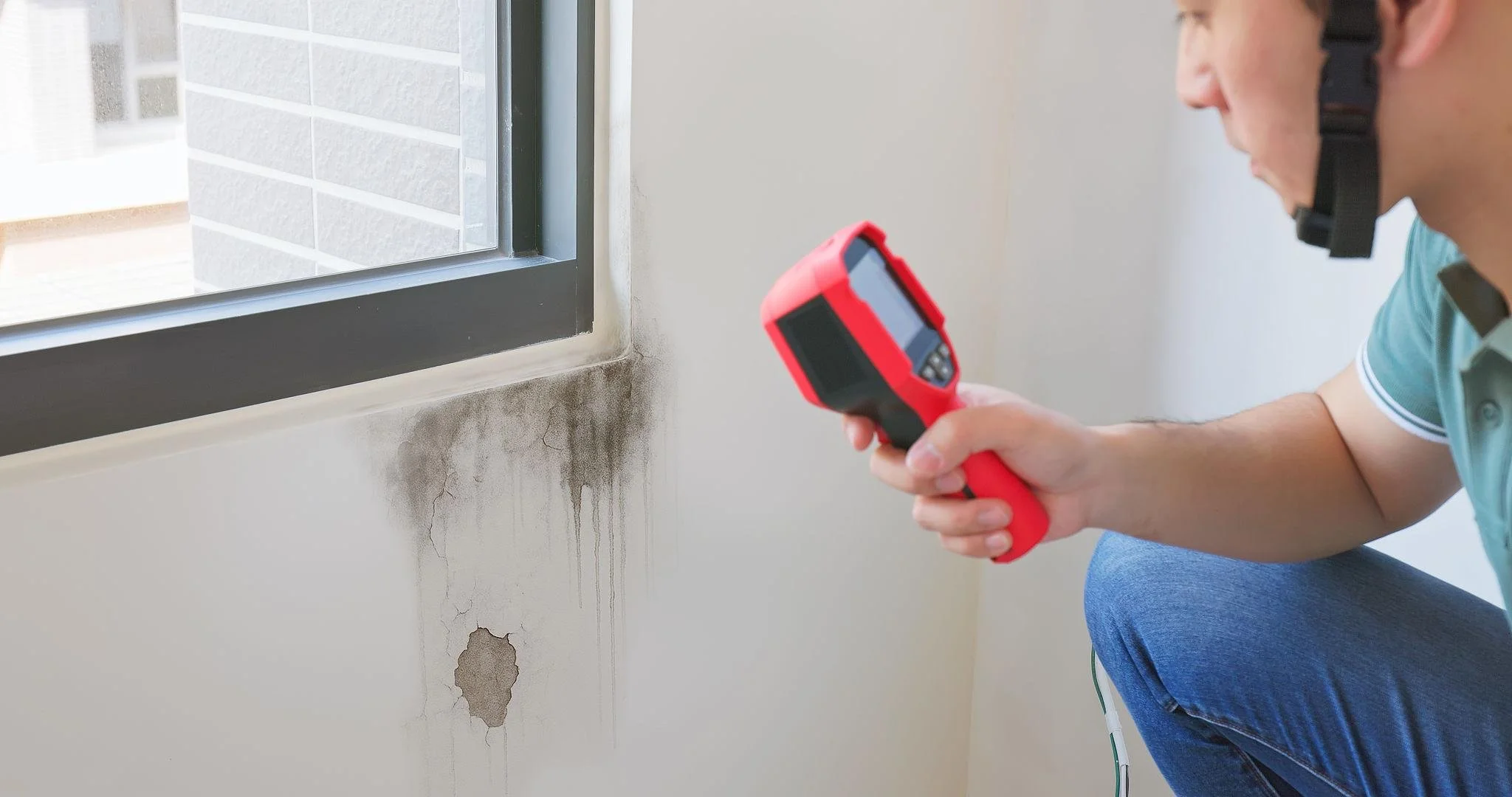
What it includes:
Visual inspection and moisture readings using moisture reader and infrared camera to determine source of potential mold
PROS
Finds the source
Doesn’t rely only on lab results
Gives insight into overlooked structural issues/plumbin
CONS
Trustworthiness depends heavily on the experience of the inspector
May miss hidden mold if home is “dry” (i.e., inspector may recommend NOT testing if no moisture spot is detected or if theres no visible mold on OUTSIDE surfaces.
Verdict: Mainly helpful if the inspector ALSO does air/ERMI/surface testing. In our experience, we had no moisture issues or visible mold at the time of inspection, so professional inspectors encouraged us NOT to test, which resulted in us missing hidden mold and suffering for several more years.
WHAT TO AVOID:
DIY petri dish kits (the ones that grow mold in a dish) They’ll grow mold in any house (because mold is in all air) and don’t tell you anything useful
Inspectors who ONLY do air tests and call it a day, or, conversely, inspectors who won’t test/examine further if there are no visible signs present on outer surfaces
Companies that test and also treat. It’s a conflict of interest. Test with one company, treat with another.
Anyone who doesn’t look for moisture sources

So… what’s the “best” test?
From our experience, the most solid combo is as follows:
A thorough inspection by a professional (moisture + structure, checking inside drywall)
AND
An ERMI or HERTSMI-2 dust test paired with surface swab
(Optional) air test for documentation/comparison
“What if I can’t afford professional testing?”
While the above options are great, we acknowledge that they are also a privelege. Not everyone has access to funds to hire a professional company. These options also may not be accessible to those living in apartments or rentals.
Sometimes, a simple visual inspection will have to suffice. If you have identified signs of mold in a certain area of your living space, it can be cost effective to knock out a small hole in the drywall on the lower portion of the wall and look for mold colonization inside the drywall. Remember, DO NOT do this if you don’t own your home and do not have permission. You don’t want to have a legal battle added to a potential house full of mold.
If you are experiencing symptoms of mold toxicity or notice mold/signs of mold and CANNOT check the walls yourself, remember— the squeaky wheel gets the grease. ADVOCATE for your health and your home. Reach out to your rental company, your local health department, whoever might provide assistance.
Most importantly of all
TRUST YOUR GUT!
You are the biggest expert on your own lived experience. Just because an “expert” tells you information is correct, doesn’t mean it is, especially if it goes against your experience or doesn’t feel quite right. ALWAYS get a second (and maybe third, and fourth, and fifth) opinion. Remember to advocate for yourself and don’t be afraid to speak up if something doesn’t seem accurate. You got this!