Signs of Mold in a House
(What to look for—both visible and hidden)
Before going through this ourselves, we thought mold was something you could easily see and fix.
What we’ve learned is that mold can be:
clearly visible
completely hidden
or affecting your environment without obvious signs
Here are some of the most common indicators to watch for.
Visible Signs
These are the more obvious signs:
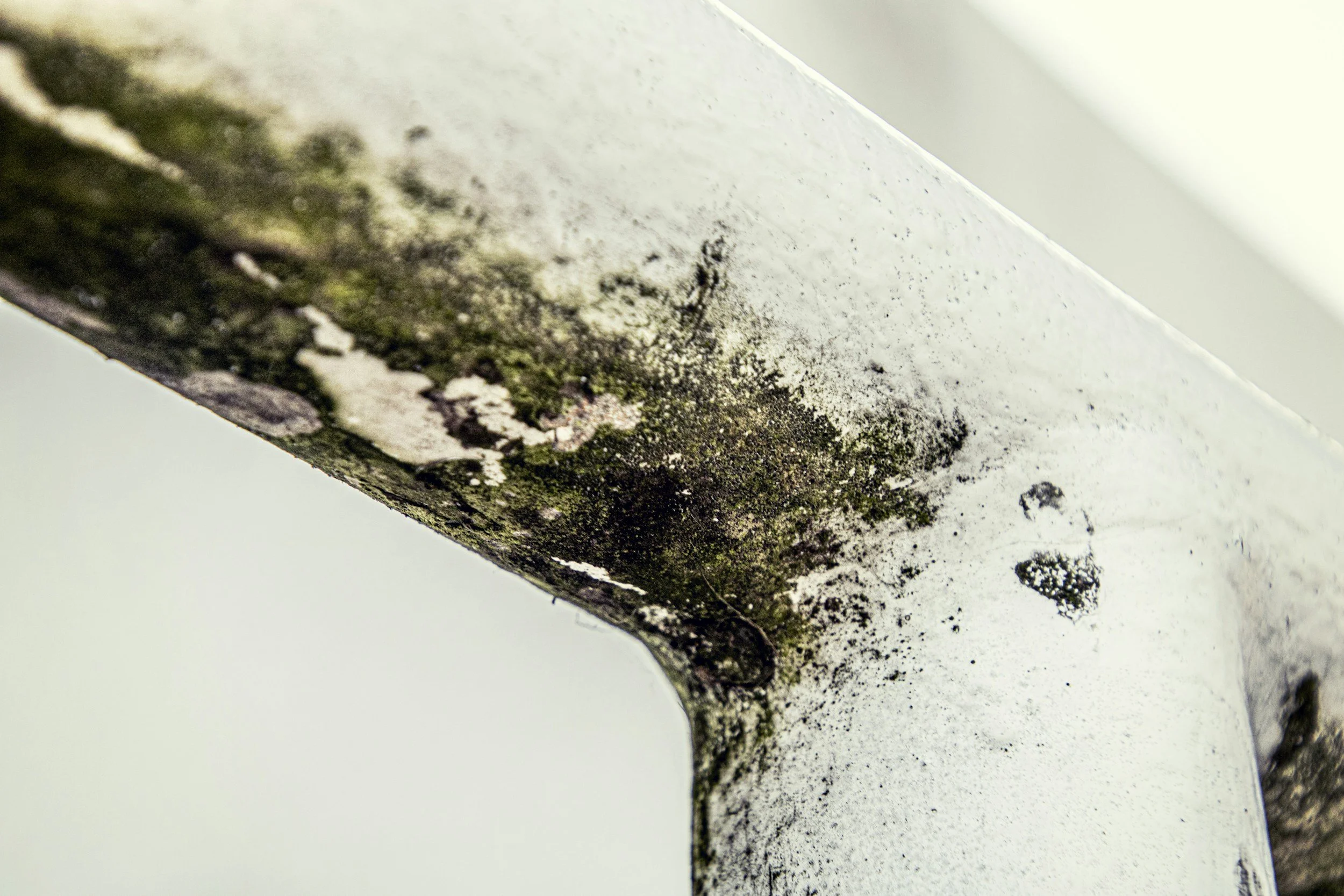
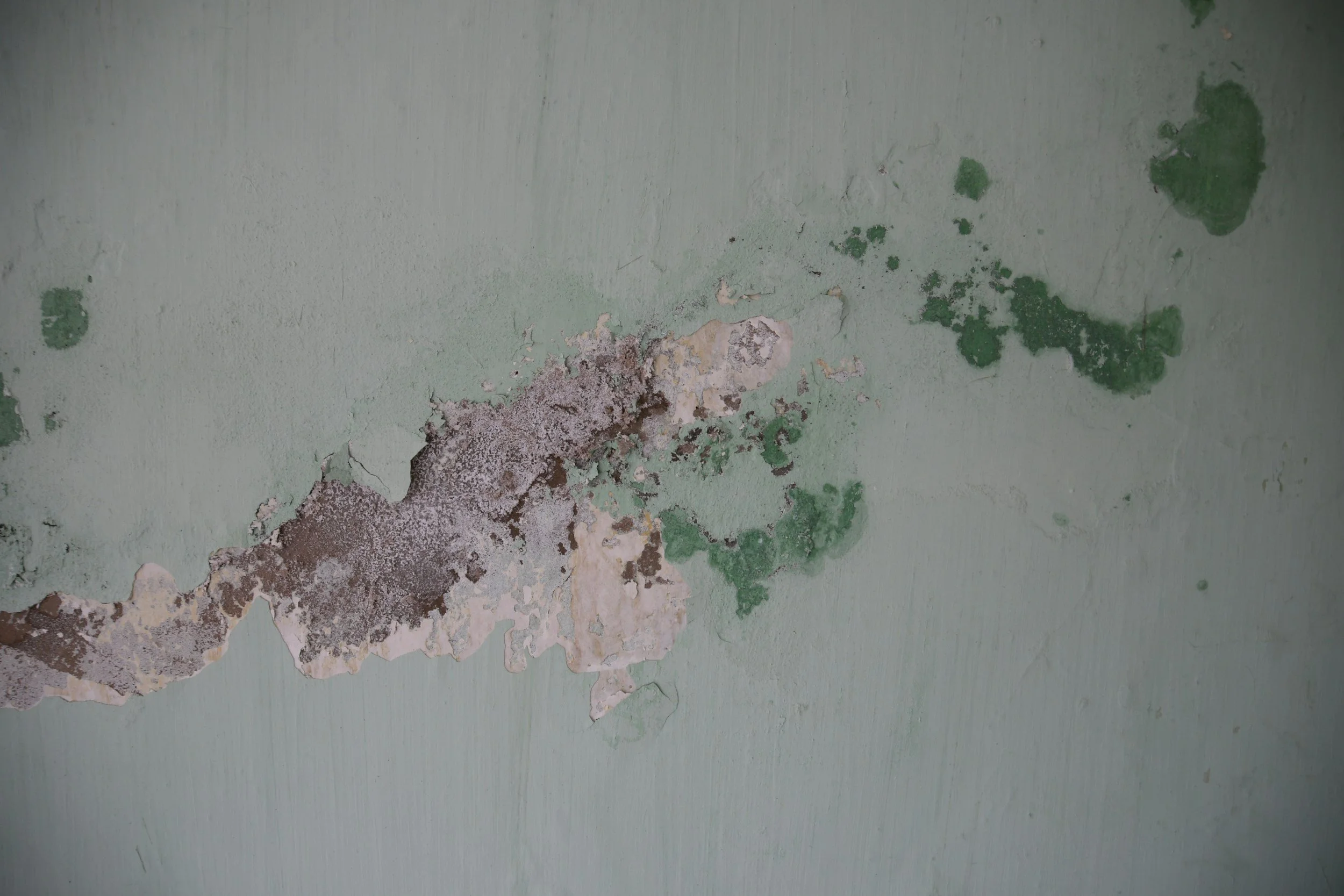
Black, green, or white spots on walls, ceilings, or trim
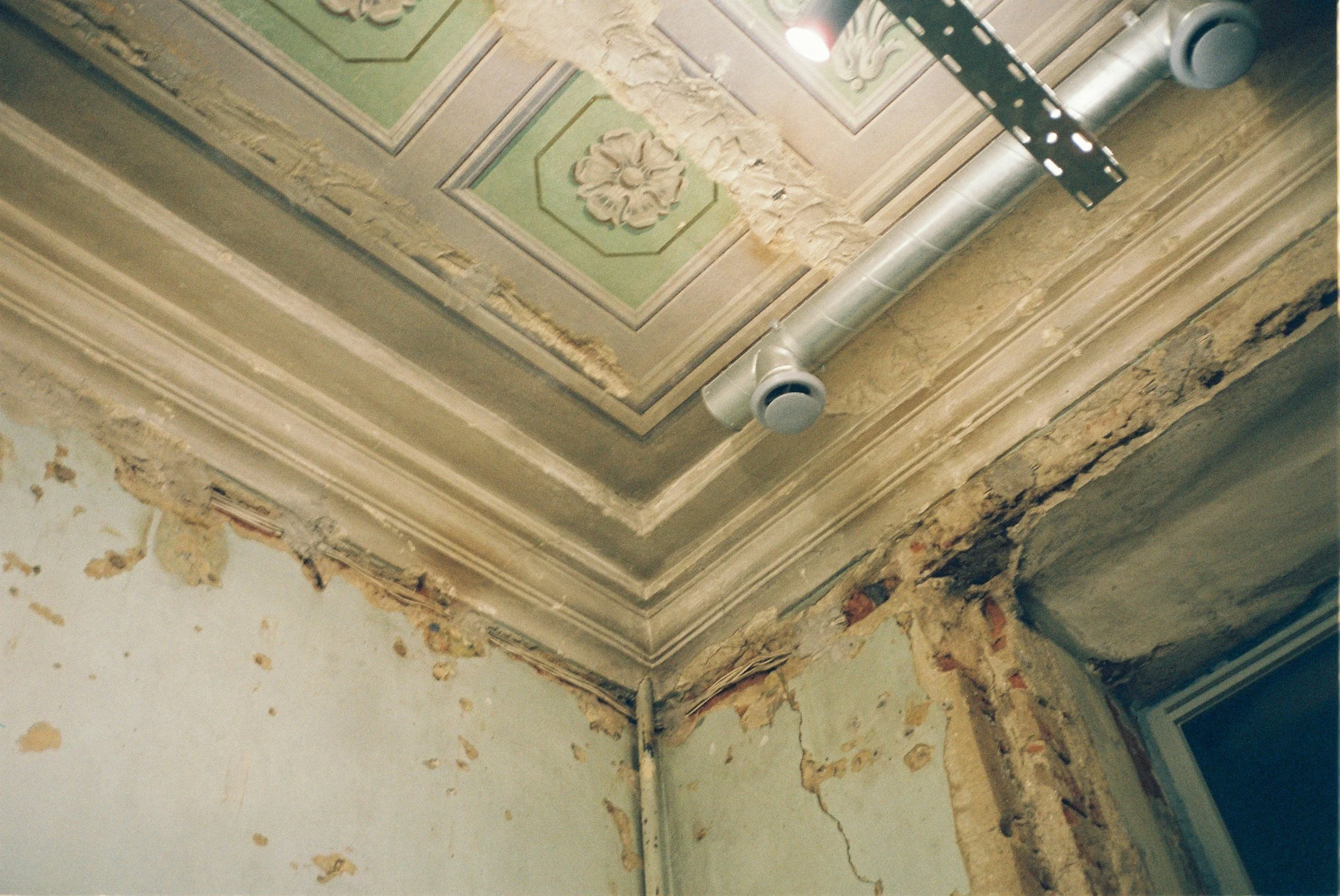
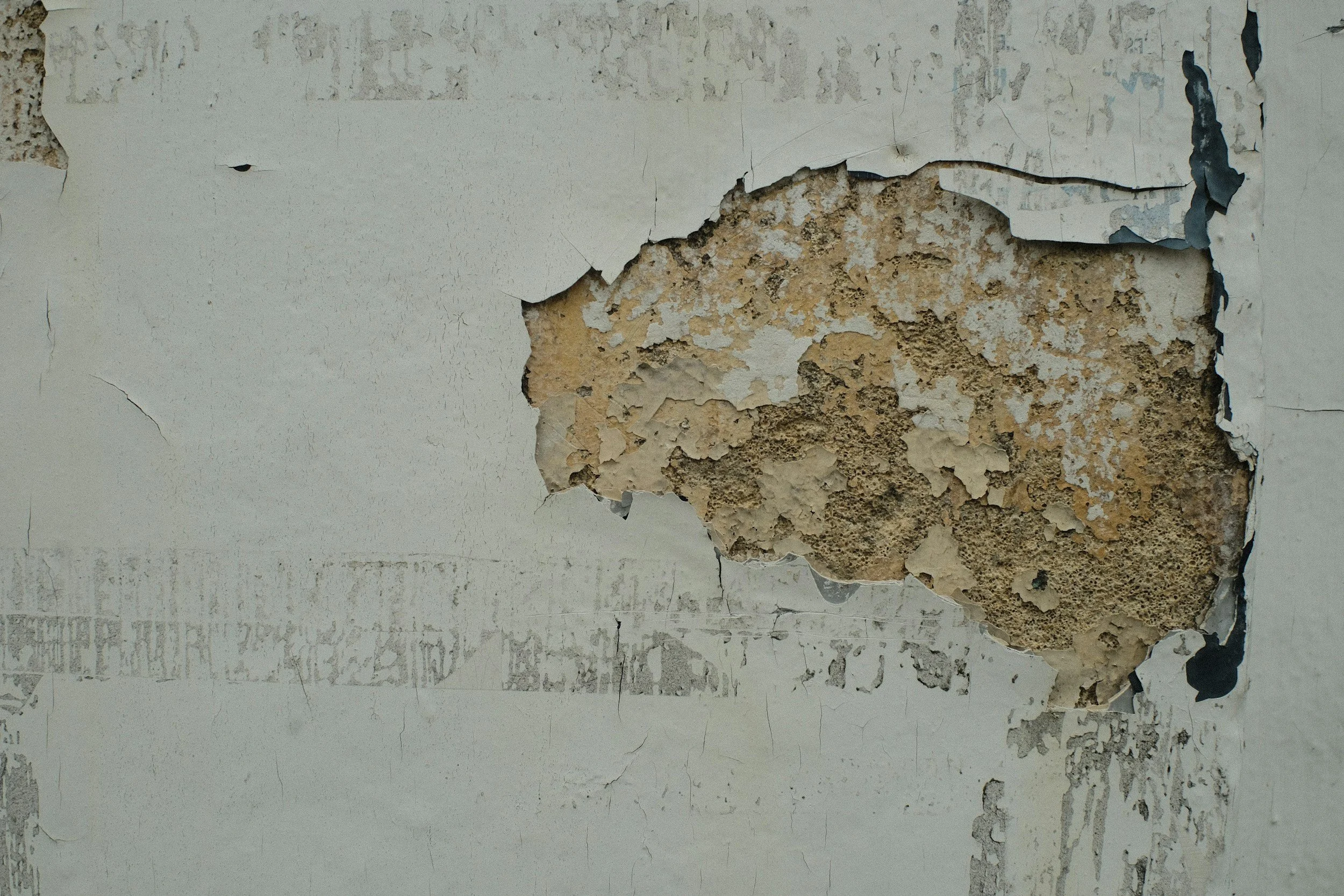
Bubbling, peeling, or cracking paint
Water stains (yellow or brown discoloration, especially on ceilings)
Warped drywall or soft spots in walls
Mold around vents, windows, or baseboards
Visible growth in bathrooms, basements, or near plumbing
If you can see it, it’s important to address it promptly.
Less Obvious / Hidden Signs
These signs are often overlooked but can be just as important:
A persistent musty or damp smell
Condensation on walls, windows, or vents
Air ducts that appear to be “sweating”
A history of roof leaks, plumbing issues, or water damage (THIS IS A BIG ONE!)
Rooms that feel unusually humid or damp
Allergy-like symptoms that improve when you leave the home
One specific room that consistently feels “off”
Just because you can’t see it, doesn’t mean it’s not there! Mold can grow in hidden areas such as behind walls, under flooring, or inside ductwork.
A Lessor Known Indicator:
Food spoiling quickly! This was huge for us. In fact, it was our only visible sign. We’d bring produce home and it would mold within 3 days.
In environments with elevated mold spores, some people notice food spoiling faster than expected.
Items that tend to mold quickly include:
Berries (strawberries, raspberries, blueberries)
Bread
Tomatoes
Grapes and peaches
Leafy greens
While this alone isn’t proof of a mold issue, it can be a helpful piece of the overall picture when combined with other signs.
Additional Red Flags
Recent construction or repair work (roofing, plumbing, HVAC) followed by new issues
Repeatedly being told “everything looks fine,” despite ongoing concerns
Multiple people (or pets) in the home experiencing unexplained symptoms
The Reality
Mold doesn’t always present itself clearly. It can exist:
Behind drywall
Inside insulation
Within HVAC systems
In areas affected by past or slow leaks
Because of this, it’s possible for a home to appear normal while still having an underlying issue.
Why This Matters
We didn’t recognize many of these signs at the time because we didn’t know what to look for.
Understanding both the visible and less obvious indicators can help you ask better questions, notice patterns sooner, and take action if needed.
A Quick Note
We are not mold experts—just sharing what we’ve learned through experience.
If you suspect mold in your home, it’s important to:
consult a qualified professional
consider multiple opinions if needed
pay attention to patterns over time